
Table of Contents
- What Incomplete Mold Remediation Looks Like
- Signs of Mold Growth After Water Leak
- How to Check for Hidden Moisture and Contamination
- Understanding Mold Clearance Testing Standards
- The Post-Remediation Verification Process
- Common Reasons Mold Remediation Fails
- Your Options If Remediation Was Incomplete
- Frequently Asked Questions
Last Updated: September 27, 2026
What Incomplete Mold Remediation Looks Like
Incomplete mold remediation happens more often than homeowners realize. A contractor finishes the job, you pay the bill, and months later the smell returns and new stains appear.
Most incomplete jobs share common threads: the moisture source was never addressed, containment failed during cleanup, or structural drying was rushed. Understanding what incomplete mold remediation actually looks like is your first line of defense against wasting money on a second failed attempt.
A properly executed remediation eliminates the problem. An incomplete one leaves you vulnerable to health risks and structural damage. This guide covers the signs you can spot, testing methods that reveal hidden contamination, and the verification process that confirms a job is complete.
Signs of Mold Growth After Water Leak
Visual indicators you can spot yourself
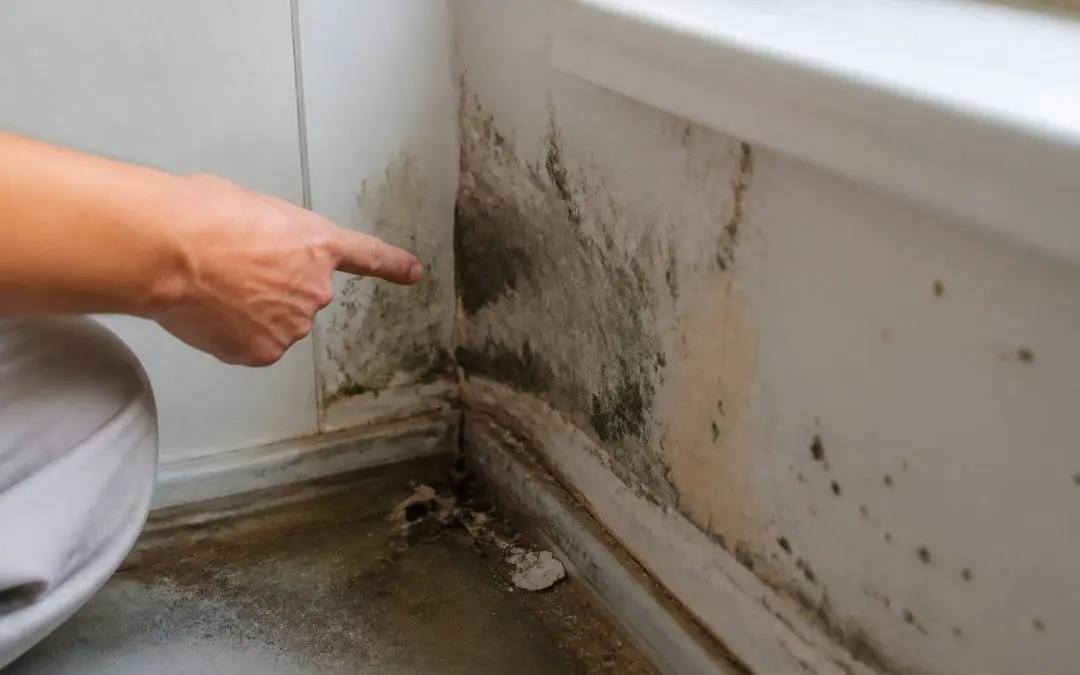
Look for discoloration on walls, ceilings, and baseboards. Mold can be green, white, orange, or brown. Fuzzy or slimy patches indicate active mold. Staining without fuzz suggests the surface was cleaned but underlying contamination remains.
Check drywall carefully. Soft, spongy drywall means moisture penetrated deep. If only the top layer was removed, moisture remains trapped inside. Wet or discolored insulation should be removed completely; if it’s still there, remediation is incomplete.
Paint bubbling or peeling signals moisture pushing from behind the surface. A fresh coat of paint over moisture problems masks the issue without solving it.
Key visual warning signs:
- Discoloration that spreads or returns
- Fuzzy or slimy growth on surfaces
- Soft or spongy drywall
- Paint bubbling or peeling
- Stains on wood framing
- Visible mold on HVAC ducts
Musty odors and air quality clues
A musty smell indicates active mold. If remediation was complete, that smell should vanish. If it lingers or returns, remediation is incomplete.
Musty odors mean microbial growth is still active in walls, crawl spaces, HVAC ducts, or hidden pockets where moisture remains. The smell worsens on humid days as moisture activates dormant spores.
Localized odors point to a specific moisture source. Widespread odors suggest the HVAC system is distributing spores.
Increased allergies, respiratory irritation, or unexplained headaches suggest airborne spores weren’t properly contained or removed during cleanup.
Odor and air quality red flags:
- Musty smell that returns or never fully disappears
- Smell gets worse in humid weather
- Respiratory symptoms increase indoors
- Odor concentrated in specific areas or spread throughout
How to Check for Hidden Moisture and Contamination
Inspecting HVAC systems and ductwork
The HVAC system is a common culprit in incomplete remediation. Moisture or mold spores in the system spread throughout your home every time it runs.
Look at air returns and vents for visible mold or discoloration. Open the return air grill and use a flashlight to inspect inside. You shouldn’t see any growth or dark staining.
Check your furnace or air handler for moisture around seals and connections. Mold on the evaporator coil requires professional cleaning or coil replacement.
A musty smell from vents indicates mold growing inside ducts. Professional duct camera inspection is worth the investment if you suspect incomplete remediation.
HVAC inspection checklist:
- Look inside air returns for visible mold
- Check furnace seals for moisture
- Smell air coming from vents
- Schedule professional duct camera inspection if odors persist
Finding moisture in walls and crawl spaces
Moisture trapped in walls is invisible but destructive. A hygrometer measures humidity levels and costs under thirty dollars. Normal indoor humidity is 30 to 50 percent; anything above 60 percent signals a problem.
Place the hygrometer in remediated areas for 24 hours. Readings above 60 percent indicate moisture is still present. High humidity in one room but not others points to a localized moisture source.
Crawl spaces are notorious for hidden moisture. Inspect for standing water, wet insulation, or soft wood. A damp crawl space causes moisture to migrate upward. Incomplete remediation often leaves crawl space moisture unaddressed.
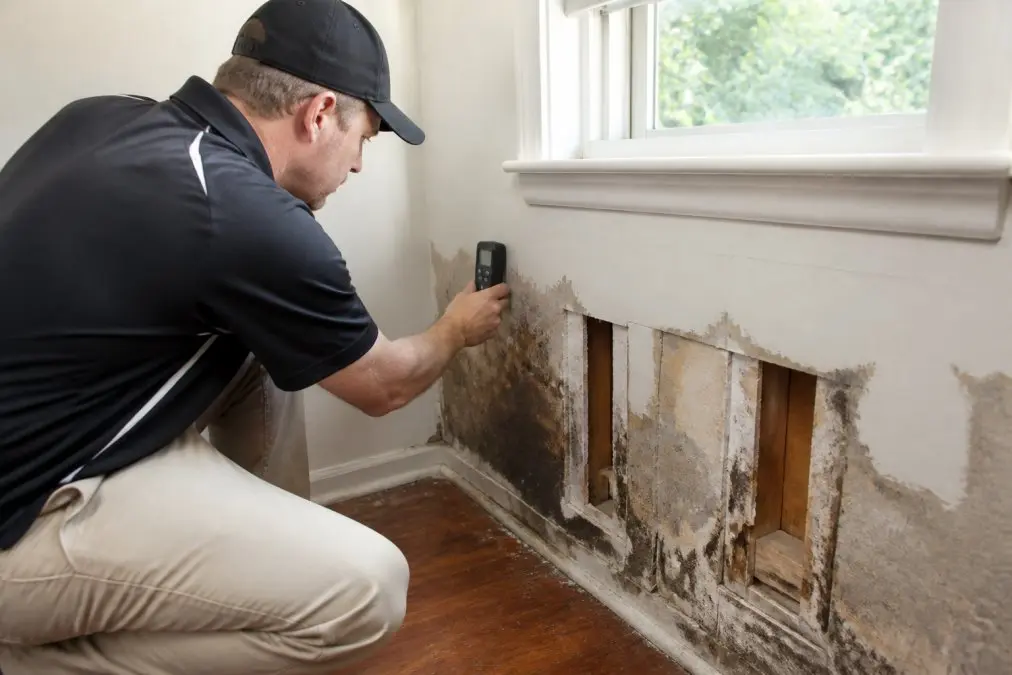
Use a moisture meter to check wood framing and drywall. These tools measure moisture content in materials. Wood should read below 20 percent. Drywall should be below 12 percent. Higher readings mean drying was incomplete.
Moisture detection steps:
- Buy a hygrometer and check humidity levels
- Place meter in remediated areas for 24 hours
- Inspect crawl spaces for water or wet materials
- Use a moisture meter on wood and drywall
- Compare readings to normal ranges
Understanding Mold Clearance Testing Standards
DIY testing vs. professional clearance testing
DIY mold test kits are cheap but only tell you mold is present. They don’t verify if remediation was complete.
Professional clearance testing measures airborne spore counts before and after remediation. Post-remediation spore levels should match outdoor levels. This standard matters for insurance claims and property sales.
Clearance testing uses air sampling equipment to collect spores over several hours. Lab analysis shows spore counts by type. Elevated indoor counts compared to outdoors confirm incomplete remediation.
A clearance report should include:
- Pre-remediation baseline (if available)
- Post-remediation air sample results
- Outdoor comparison sample
- Lab analysis with spore identification
- Professional recommendations
DIY kits cannot provide this level of documentation. They’re useful for spotting visible mold, but they won’t verify remediation completeness.
What clearance reports should include
A professional clearance report proves remediation was complete and documents the work for insurance claims. Request this before paying the final bill.
The report should state whether post-remediation levels are acceptable. Acceptable means indoor spore counts match outdoor counts. Higher indoor counts indicate incomplete remediation.
Verify the lab is accredited and independent. Third-party lab reports are more credible than reports from the contractor’s own lab.
The report should also include surface testing results if those were performed. Visual clearance means no visible mold remains. Spore count clearance means airborne contamination is gone. Both matter.
Essential clearance report elements:
- Lab accreditation and credentials
- Baseline measurements (if available)
- Post-remediation air sample results
- Outdoor comparison data
- Spore identification and counts
- Clear pass/fail determination
- Professional signature and date
The Post-Remediation Verification Process
Step 1: Document the remediation work completed
Before remediation starts, get a detailed scope of work in writing listing every area, methods, and timeline. After completion, verify everything was done.
Walk through your home with the contractor and take photos. Get written confirmation of what was completed.
Request a detailed invoice breaking down work performed. Vague invoices don’t help; you need specifics on drywall removal, duct cleaning, and insulation replacement.
Documentation is critical if you need to file an insurance claim or pursue legal recourse later. It’s also your baseline for verifying that incomplete remediation wasn’t the contractor’s mistake.
Step 2: Conduct a visual inspection of treated areas
Two weeks after remediation, do a thorough visual inspection. Moisture still present will show signs by then.
Check remediated areas for new discoloration, soft spots, or musty smells.
Visual inspection checklist:
- Check for new discoloration or staining
- Feel surfaces for dampness
- Smell for musty odors
- Look at wood for soft spots
- Inspect HVAC vents and ducts
- Take dated photos of all areas
Step 3: Test moisture levels with a hygrometer
Moisture drives mold growth. Testing moisture levels gives you concrete data on whether drying was complete.
Step 4: Request spore count testing
Spore count testing is the definitive verification of remediation completeness. It’s worth the cost for peace of mind and documentation.
Common Reasons Mold Remediation Fails
Moisture source not addressed
A contractor removes visible mold but doesn’t fix the leak, poor drainage, or humidity problem that caused it.
Incomplete containment during cleanup
During mold cleanup, containment is critical. Uncontained spores spread throughout the home and recontaminate cleaned areas.
Structural drying shortcuts
Wet materials must dry completely to prevent mold. Rushed drying leaves moisture trapped inside walls, insulation, and structural materials.
Your Options If Remediation Was Incomplete
Documenting the problem for insurance claims
If remediation was incomplete, document everything: photos, moisture readings, spore count reports, and the original scope of work.
When to pursue legal recourse
If the contractor refuses to fix incomplete work, file a complaint with your state’s contractor licensing board. This creates a record and may pressure repairs.
Frequently Asked Questions
What are the signs that mold remediation was not successful?
Failed mold remediation often leaves behind musty odors, visible mold spots in the same area, discoloration on walls or ceilings, or water stains that reappear. You may also notice allergic reactions continuing or air quality issues. The most reliable indicator is a post-remediation clearance test showing spore counts above acceptable levels. If you had remediation two years ago and still smell mold in your basement, the moisture source was likely never fixed, allowing new growth to return.
Should I get a post-remediation verification test?
Yes, absolutely. A post-remediation verification test (often called clearance testing) confirms that mold remediation met industry standards. This involves air sampling to measure spore counts and surface testing in treated areas. The results protect you legally and financially, especially if you need to file an insurance claim or sell the property. Professional clearance testing is more reliable than DIY methods and provides documentation that work was done correctly.
Can mold return after professional remediation?
Mold can return if the moisture source is not permanently fixed. Professional remediation removes visible mold and contaminated materials, but if water intrusion, high humidity, or structural moisture persists, new mold growth will develop within weeks or months. This is why moisture control is critical. A complete remediation addresses both the mold and the root cause, whether that’s a roof leak, plumbing issue, or inadequate ventilation.
What should a professional mold remediation report include?
A complete remediation report should document the scope of work performed, areas treated, materials removed, containment methods used, moisture source identified and corrected, dehumidification and ventilation methods applied, and recommendations for ongoing prevention. It should also reference industry best practices and standards followed. The report becomes your proof of work if disputes arise and is essential for insurance claims or future property sales.